 Influence XXI
 Get In Touch
All stories WHS 2026
 6 Mins read
WHS 20266 Mins read





WHS 2026
 WHS 20266 Mins read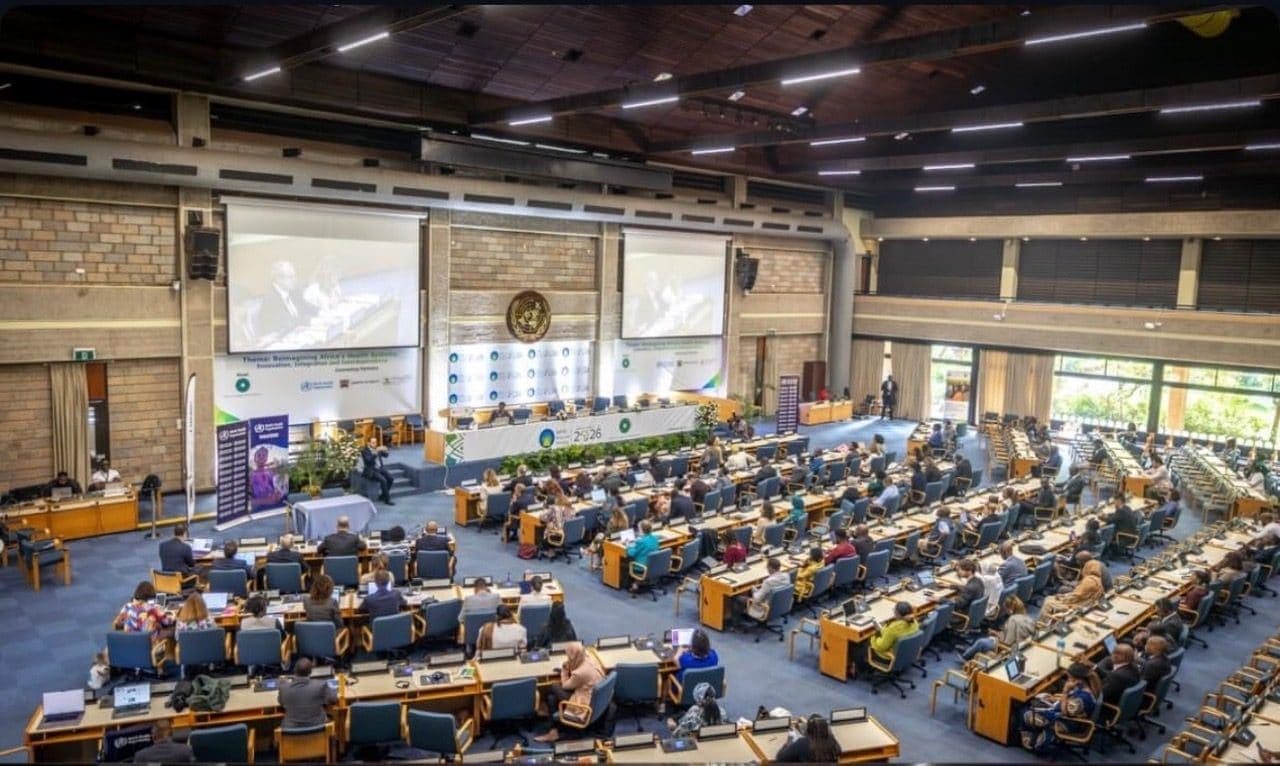
The programme ran from April 27 to 29, 2026, at the Aga Khan University Hospital in Nairobi, under the theme 'Real Conversations. Actionable Resolutions. New Dawn for Africa's Health.' It was opened by the President of Kenya and co-organised with WHO, the Ministry of Health Kenya, AfricaCDC, and Aga Khan University. 3,000+ leaders from 80+ countries attended, including 16 health ministers and 400+ speakers across 80+ sessions.
Newmark led the full influence programme — from initial stakeholder communications through to post-event activation. The programme design began with the end in mind: what specific commitments, relationships, and policy positions should this summit produce? Working backwards from those outcomes, every programme element was designed to serve them. Speaker selection was governed by influence logic, not seniority alone. Session formats were designed to produce outputs — formal commitments, position papers, documented resolutions — not just conversations. The media strategy was designed to extend the summit's reach and impact beyond the room, ensuring that the commitments made in Nairobi were visible to stakeholders who were not present.
“Speaker selection was governed by influence logic, not seniority alone.”
The pre-event stakeholder communications programme built anticipation and commitment across all delegate segments — health ministers, multilateral organisations, clinical leaders, civil society, and media. This front-loading of stakeholder engagement meant that delegates arrived at the summit already invested in its outcomes, not neutral observers who needed to be convinced once they were in the room. The in-event communications programme ensured that key moments were captured, amplified, and accurately represented across all media channels in real time.
The results spoke for themselves. The summit produced a formal set of actionable resolutions — documented policy commitments that continued to shape African health policy in the months that followed. Delegate feedback placed it among the highest-rated health gatherings in Africa. The influence programme delivered what it was designed to deliver: not just a world-class event, but a durable contribution to the health policy landscape of a continent.
The Newmark Group
Influence Intelligence
More insight from the Newmark newsroom.



 Read More